Showing posts with label England. Show all posts

Monday, February 27, 2023

The Tudors: Art and Majesty in Renaissance England - Cleveland Museum of Art

 The Cleveland Museum of Art opened a new exhibit - The Tudors: Art and Majesty in Renaissance England - which is the first exhibition in the US to trace the transformation of the arts in Tudor England.
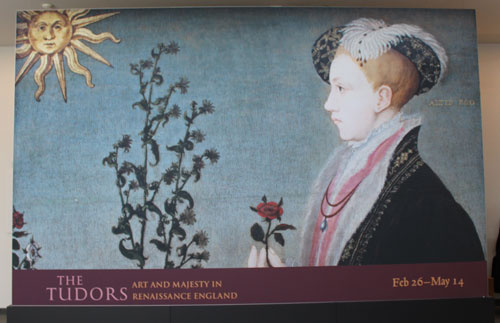
The Tudors exhibit at Cleveland Museum of Art


It includes huge tapestries that fill entire walls, suits of armor, sculptures, portraits and more.

The Tudor dynasty ruled for only three generations but it transformed England from a land devastated by the War of the Roses to a major player in Europe and eventually the rest of the world. This exhibit covers the larger than life personas of Henry VII, Henry VIII and Elizabeth I.
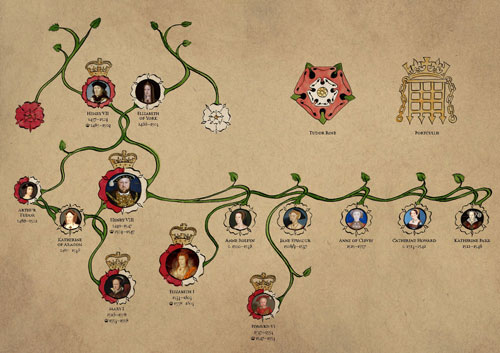
Tudor Family Tree

Tudor Family Tree

Photos and videos of the Tudors Exhibit at CMA.


Watch my video walkthrough of the exhibit.

Wednesday, September 28, 2022

Fun with Maps – Great Britain (England, Scotland and Wales)

 The recent passing of Queen Elizabeth led to some confusion, even in media reports, about the difference between England, the UK, Great Britain and so on. Was she Queen of England?  Why was she in Scotland? What about the Prince of Wales?

In this episode of Fun with Maps host Dan Hanson looks at the island of Great Britain which consists of England, Scotland and Wales.  It is not the same as England or the United Kingdom. Great Britain is the largest of the British Isles, the largest European island and the ninth-largest island in the world.

So what’s the United Kingdom?  The United Kingdom is a sovereign country in Europe that comprises England, Wales, Scotland, Northern Ireland and many smaller islands within the British Isles.

This episode also covers the English Channel, the Chunnel, the Mull of Kintyre, the character of Britannia, the Firth of Forth, Treaty of Union, the patron saints and flags of the 3 countries, the vast range of the British Empire and more.  See more Fun with Maps episodes.  


Thursday, December 29, 2016

International New Year Traditions

Here are a few international New Year traditions:

First Stepper. A very old tradition in England, Ireland, Scotland and Wales revolves around your guests on New Year's Day. The first person to enter your home in the New Year will have a significant impact on year's to come. Here's how you can take part in this tradition.
Make note of who that first person is to enter your home. In fact, you may want to write it down, since the information won't really be of use to you for a year. At then end of the year decide if your year has been a good one or a bad one; lucky or unlucky. If you feel it has been a positive year then on the next New Year's Day, don't let anyone else in the house until that first person from the "lucky year" comes in.
If, however, you have had a bad or unlucky year, do whatever you must to have someone else be "the first stepper" into your home, so the luck will change for the upcoming year.


The Dutch believe it is important to "eat out the Old Year and Eat in the New" so they start a meal before midnight and finish it after, just to be sure there is food all year.


Although it is said that farm animals talk on New Year's Day, a superstition from Romania says it is important to avoid the animals because hearing them talk is very bad luck.


Egyptians once believed that onions kept evil spirits away; so many New Year's dishes with Egyptian roots will include onions.


Eating twelve grapes at midnight is a Spanish custom also said to bring good luck.


In Denmark, residents keep a pile of dishes, all broken, in front of the door. For this they save old dishes and People usually throw these on the friends’ doors during New Year. This symbolizes friendship and brotherhood and they believe the one with maximum dishes outside, has the most friends. Some Danish are found to leap some chairs during midnight.


Brazilians believe that lentils signify wealth and prosperity. So they serve food items made up of the legume like soup or rice on the New Year.


Germans pour molten lead into cold water and the shape that is taken after, predicts the future. Heart shapes symbolize marriage whereas round shapes denote good luck; anchor shapes tell that you need help however a cross signifies someone’s sad demise.


Filipinos consume grapes, have coins, wear polkas dotted dresses, as they have faith that circular things attract more fortune and money. They also throw coins as New Year begins to increase wealth and prosperity.


Japanese New Year or Oshogatsu is meant for celebrations with family and it begins with proper decoration of the home to welcome luck and fortune. They clean the entire house, get themselves off from every financial liability, and resolve all issues before the New Year hits. They follow traditions of three things: a pine branch, called kadomatsu, denotes longevity; a stalk of bamboo symbolizes prosperity, whereas a plum blossom shows nobility. Before the clock strikes 12, they ring 108 bells to show that the all 108 troubles have been eliminated.